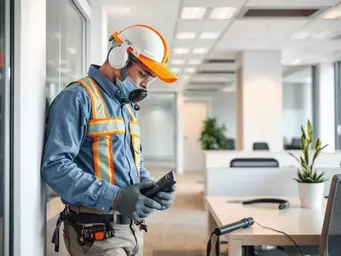

In today's competitive business landscape, the unseen threats of pests can undermine your success. Are you aware of the vital role regular pest inspections play in safeguarding your commercial property?
What You Will Learn
- The importance of early detection in preventing costly pest-related issues.
- How regular pest inspections ensure compliance with health and safety regulations.
- The health risks associated with common pests and their impact on employee and customer safety.
- Steps to establish an effective pest inspection schedule tailored to your business needs.
- Key factors to consider when choosing a reliable pest control provider.
- The benefits of using inspection checklists for thorough and consistent pest management.
The Multi-faceted Impact of Regular Commercial Pest Inspections
This visual highlights the critical benefits and strategic steps involved in maintaining a pest-free commercial environment.
Why Inspect?
Core Benefits
- Early Detection
- Health & Safety Compliance
- Peace of Mind
- Property Protection
Health Risks
Pest-Related Concerns
- Rodents: Hantavirus, Salmonella
- Cockroaches: Asthma, Allergies
- Employee Absenteeism
- Customer Complaints
Implementing
Inspection Schedule
- Assess Needs
- Define Frequency
- Document Findings
- Schedule Follow-Ups
Choosing
Pest Control Provider
- Check Credentials
- Read Reviews
- Inquire About Methods
- Assess Customer Service
Understanding the Importance of Regular Pest Inspections for Commercial Buildings
As a business owner, I can’t stress enough the significance of regular pest inspections. These inspections are your first line of defense against potential pest infestations that can disrupt operations and damage your reputation. By prioritizing these inspections, you not only protect your property but also ensure a healthy environment for your employees and customers.
Here are a few reasons why conducting regular pest inspections should be at the top of your maintenance checklist:
- Early Detection: Catching pests before they become a larger issue can save you from costly repairs.
- Health & Safety Compliance: Regular inspections help meet health and safety regulations, especially in industries like food service and healthcare.
- Peace of Mind: Knowing your property is protected enables you to focus on running your business.
At Pest Control Nationwide, we have seen firsthand how neglecting pest inspections can lead to bigger problems down the road. It’s all about staying proactive!
Why Pest Inspections Matter for Business Owners
Beyond just the immediate threats, pest inspections reveal much about your business's overall health. When pests invade, they can compromise not just the structure but also the integrity of your operations. Think about it: a single report of a pest sighting can lead to lost customers and a tarnished reputation.
- Protects your investment by preventing property damage.
- Maintains a safe working environment, reducing the risk of employee illnesses.
- Enhances customer trust and loyalty by ensuring a clean space.
By understanding these factors, business owners can make informed decisions on pest management strategies that align with their operational goals.

The Role of Commercial Pest Control in Protection
In commercial settings, especially those in food service and healthcare, the stakes are even higher. Pests can pose serious health risks and lead to significant liability issues if not managed properly. That's where the expertise of a commercial pest control service comes in.
Effective pest control measures not only safeguard your property but also contribute to meeting health and safety standards required by law. Here are some key roles pest control plays:
- Identifying potential pest entry points and vulnerabilities.
- Implementing safe and eco-friendly pest management solutions.
- Providing ongoing monitoring and support to ensure lasting protection.
By partnering with professionals like Pest Control Nationwide, you can ensure your business remains compliant and safe from pests, giving you the freedom to grow and thrive.
Health and Safety Benefits of Regular Pest Inspections
Regular pest inspections not only protect your property but also significantly impact the health and safety of everyone who steps foot in your building. As someone deeply committed to eco-friendly pest management, I understand just how critical these inspections are in mitigating health risks related to pest infestations.
By prioritizing pest inspections, you’re making a sound investment in your commercial property and your community’s well-being.
Reducing Health Risks Linked to Pest Infestations
It's important to recognize the connection between pests and health risks. Pests like rodents and insects are known carriers of diseases, and their droppings can trigger allergic reactions and other health concerns.
- Rodents: Can spread diseases like hantavirus and salmonella.
- Cockroaches: Known to exacerbate asthma and allergies.
- Termites: While primarily structural pests, their presence can signal larger environmental issues.
This is why early detection through regular inspections is paramount. It allows you to take swift action and minimize health risks to your employees and customers.
Protecting Employee Well-being and Customer Safety
When pests invade your commercial space, the health of your employees and the safety of your customers are put at risk. You’ll want to avoid the negative impacts that can stem from pest-related health issues.
- Employee absenteeism due to health issues can affect productivity.
- Customer complaints can damage your brand reputation.
- Legal liabilities from health-related incidents can lead to costly repercussions.
By implementing regular pest inspections, you’re taking proactive measures to protect those who matter most—your team and your customers.
Understanding Local Health Regulations Related to Pest Control
Local health regulations play a crucial role in pest management practices. Familiarizing yourself with these can be a game-changer for your business. Each industry has specific requirements that you need to adhere to, especially in sectors like food service and hospitality.
- Compliance with pest management regulations is often monitored by local health departments.
- Failure to comply can result in fines or shutdowns.
- Regular inspections can help ensure your business adheres to these regulations, protecting your operations.
As a pest control specialist, I can advise on how to navigate these regulations effectively, ensuring you stay compliant while keeping your property pest-free.
Pro Tip
Did you know? Implementing a pest inspection schedule not only helps in early detection of infestations but can also be a strong promotional point for your business. By highlighting your commitment to maintaining a pest-free environment, you can boost customer trust and distinguish yourself from competitors. Consider sharing your pest management practices on your website or social media to enhance your brand image!
Taking Action: Implementing Regular Pest Inspections in Your Business
As a business owner, prioritizing regular pest inspections is essential for maintaining a safe and thriving environment. It might feel overwhelming at first, but implementing a structured pest inspection schedule can be straightforward and effective. Here’s how you can take action:
Steps to Establish a Comprehensive Pest Inspection Schedule
Creating a pest inspection schedule tailored to your business needs can help prevent infestations before they start. Here are some key steps to consider:
- Assess Your Needs: Determine the type of pests common in your area and the specific vulnerabilities of your business.
- Define Inspection Frequency: Based on your industry, set the frequency of inspections. For example, food service businesses may require monthly checks, while other types might be bi-annual.
- Document Findings: Keep detailed records of inspections, including dates, findings, and actions taken. This helps track patterns and effectiveness over time.
- Schedule Follow-Ups: Ensure that follow-up inspections or treatments are scheduled based on previous findings, addressing any ongoing issues promptly.
By following these steps, you can establish a proactive approach to pest management that enhances safety and peace of mind for everyone involved!

Choosing the Right Pest Control Provider
Partnering with a reliable pest control provider is crucial to ensuring effective pest management. Here are some tips to help you choose the best pest control service for your business:
- Check Credentials: Look for certified professionals with experience in commercial pest control.
- Read Reviews: Seek feedback from other businesses to gauge their reputation and service quality.
- Inquire About Methods: Ensure they use eco-friendly practices, aligning with your business's commitment to sustainability.
- Assess Customer Service: Consider providers who offer prompt responses and customized solutions tailored to your needs.
Selecting the right partner can make all the difference in maintaining a pest-free environment for your business!
Utilizing Inspection Checklists for Effective Pest Management
One of the best ways to streamline the pest inspection process is by using detailed checklists. These can help ensure thorough evaluations and consistent inspections. Here’s how to create an effective checklist:
- Identify Key Areas: Focus on critical areas such as kitchens, storage rooms, and entry points.
- Include Common Pests: List pests you’re specifically watching for, like rodents, insects, or birds.
- Document Signs of Infestation: Note signs such as droppings, nests, or damage to products.
- Set Action Items: Include steps to take if pests are found, like contacting a pest control professional.
Using checklists not only enhances communication with your pest control provider but also fosters a culture of diligence within your team. Everyone can play a part in maintaining a pest-free environment!
Frequently Asked Questions About Commercial Pest Inspections
- Why are regular pest inspections important for commercial properties?
- Regular pest inspections are crucial for early detection, preventing costly infestations, ensuring compliance with health and safety regulations, protecting property, and maintaining a healthy environment for employees and customers.
- What are the main health risks associated with commercial pest infestations?
- Pests like rodents can spread diseases such as hantavirus and salmonella. Cockroaches can exacerbate asthma and allergies. Infestations can also lead to employee absenteeism and customer complaints, impacting business operations and reputation.
- How often should a commercial property be inspected for pests?
- The frequency of inspections depends on the industry and specific business vulnerabilities. Food service businesses may require monthly checks, while others might be bi-annual. A professional pest control provider can help define the optimal frequency.
- What should I look for when choosing a pest control provider?
- When selecting a provider, look for certified professionals with commercial experience, check their reviews, inquire about their use of eco-friendly practices, and assess their customer service for prompt responses and customized solutions.
- How do inspection checklists help in pest management?
- Inspection checklists streamline the process by ensuring thorough evaluations and consistent inspections. They help identify key areas, list common pests to watch for, document signs of infestation, and outline action items if pests are found, fostering diligence within your team.
Recap of Key Points
Here is a quick recap of the important points discussed in the article:
- Early Detection: Regular pest inspections help catch infestations before they escalate, saving you from costly repairs.
- Health & Safety Compliance: Inspections ensure adherence to health regulations, particularly in food service and healthcare industries.
- Employee and Customer Safety: Maintaining a pest-free environment protects the well-being of employees and customers, reducing liability risks.
- Investment Protection: Regular inspections safeguard your property and enhance customer trust and loyalty.
- Proactive Pest Management: Establishing a tailored inspection schedule and working with a reliable pest control provider fosters a culture of vigilance within your team.