As you step into your new home, have you considered the unseen guests that might already be lurking within its walls? Understanding common pests can empower you to take proactive measures, ensuring your sanctuary remains pest-free.
What You Will Learn
- Common pests in new homes include rodents, ants, stink bugs, and cockroaches.
- Early signs of infestations can be detected through droppings, nesting materials, and property damage.
- New constructions can have vulnerabilities, such as gaps and moisture issues, that attract pests.
- Proactive pest management strategies can save you money and provide peace of mind.
- Understanding pest control costs helps you budget effectively for prevention and treatment options.
Understanding Pest Control Costs for New Homeowners
Navigating pest control needs as a new homeowner involves understanding potential costs. The visual below details typical expenses for DIY, professional treatments, and specialized services.
DIY Pest Control
Basic supplies for sprays and traps.
Professional Treatments
Initial inspections and ongoing services per visit.
Specialized Treatments
For specific pests like termites or bed bugs.
Pest Control for New Homeowners: Understanding Common Issues
As a new homeowner, you might be excited about all the possibilities your new space holds! But have you considered the potential pests that could disrupt your peace? It's important to recognize the common issues that come with new homes. In my experience with Pest Control Nationwide, I've seen that certain pests are more prevalent in new properties, and understanding them is the first step in keeping your home safe.
Identifying Common Pests in New Homes
New homeowners often encounter a variety of pests. Here are some of the most common:
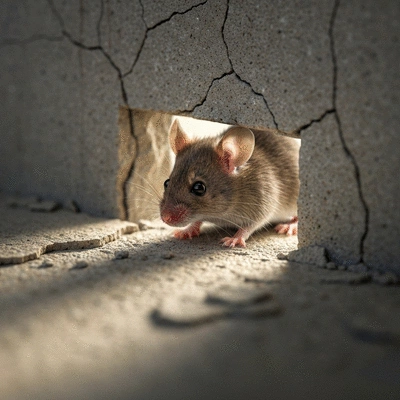
- Rodents: Mice and rats are notorious for finding their way into new homes. They can squeeze through surprisingly small gaps!
- Ants: Ants are drawn to food sources and can invade quickly, especially during warmer months.
- Stink Bugs: These pests love to hide in nooks and crannies, making them a common sight in new construction.
- Cockroaches: Known for their resilience, cockroaches can thrive in various environments, including newly built homes.
The characteristics of these pests make them prevalent in new properties. For example, many new homes have construction materials that can attract pests, along with the presence of moisture from recent construction. And let’s be honest—no one wants to share their new space with these unwelcome guests!
Recognizing Infestation Signs in New Homes
To maintain a pest-free environment, it’s vital to know the early signs of infestations. Here are a few indicators to look out for:
- Droppings: Small, dark droppings can signal the presence of rodents or insects.
- Nesting Materials: Look for shredded paper, fabric, or other materials that pests might use to create nests.
- Damage: Signs of chewing on wires or walls can indicate a rodent problem, while small holes in wood may suggest termites or carpenter ants.
Detecting these signs early can save you from more serious pest problems down the line. If you notice one or more of these indicators, don’t wait! Taking immediate action can help you reclaim your home.
The Vulnerabilities of New Construction
New homes, while often built with modern materials, can be surprisingly vulnerable to pest infestations. Key vulnerabilities include:
- Gaps in Construction: Even the smallest cracks or gaps can provide entry points for pests.
- Moisture Issues: Freshly constructed homes may have excess moisture, creating ideal conditions for pests like termites.
- Landscaping Choices: Certain plants and landscaping designs can attract pests, making it crucial to choose wisely.
Understanding these vulnerabilities and addressing them can significantly reduce the risk of pest invasions. At Pest Control Nationwide, we frequently advise clients on how to safeguard their properties from these common threats, ensuring a comfortable living space.
We Want to Hear From You!
As a new homeowner, what pest control strategies have you found most effective in keeping your home pest-free? Share your thoughts below:
Summarizing Pest Control Strategies for New Homeowners
As we wrap up our discussion on pest control for new homeowners, it's important to recap the key strategies we've covered. We explored common pests that might invade your new dwelling, such as rodents and ants, and discussed effective prevention methods. Remember, being proactive can save you stress and money in the long run!

We also emphasized the significance of managing moisture, sealing entry points, and maintaining your landscaping to deter pests. Additionally, adopting sanitation practices ensures that your home remains less inviting to unwanted guests. Now, let’s delve into some essential calls to action!
Encouraging Proactive Measures
Taking proactive measures in pest control can significantly benefit your home. Here are a few reasons why you should prioritize prevention:
- Cost-effective: Preventative maintenance often costs less than dealing with a full-blown infestation.
- Peace of mind: Knowing your home is protected allows you to relax and enjoy your space.
- Property value: Maintaining a pest-free home helps preserve your property’s value over time.
Embracing these proactive steps not only protects your home but also contributes to a healthier living environment. Remember, it’s much easier to prevent pests than to get rid of them once they’ve settled in!
Get Professional Help: Schedule Your Inspection Today
If you’re feeling overwhelmed or uncertain about your pest control needs, don’t hesitate to reach out for professional assistance! At Pest Control Nationwide, we offer comprehensive pest inspections tailored to your home’s unique characteristics. Our certified experts are ready to help you identify potential issues and provide effective solutions.
To schedule your inspection, simply contact us via email or call us at (555) 123-4567. Don’t wait until pests make themselves at home—let us help you ensure that your new space remains safe and comfortable!
Understanding the Costs of Pest Control Services
When considering your pest control options, it's essential to understand the associated costs. Here’s a breakdown of what you might expect:
- DIY Pest Control: Basic supplies (such as sprays and traps) can range from $20 to $100, depending on the products.
- Professional Treatments: Initial inspections typically cost between $100 to $250, while ongoing services can be around $50 to $150 per visit.
- Specialized Treatments: Treatments for specific pests, like termites or bed bugs, may incur additional costs, often ranging from $300 to $1,500.
By budgeting for these services, you can ensure that you are well-prepared to tackle any pest challenges that might arise. Remember, investing in pest control is an investment in your home’s health!
Frequently Asked Questions About Pest Control for New Homeowners
Here are some common questions new homeowners have about pest control:
- Q: What are the most common pests found in new homes?
- A: The most common pests include rodents (mice and rats), ants, stink bugs, and cockroaches. They often enter through small gaps or are attracted by construction materials and moisture.
- Q: How can I tell if my new home has a pest infestation?
- A: Look for signs such as droppings, nesting materials (shredded paper, fabric), and property damage, like chewed wires or small holes in wood. Early detection is key to preventing larger problems.
- Q: Why are new constructions vulnerable to pests?
- A: New homes can have vulnerabilities like small gaps or cracks in construction that provide entry points, excess moisture from recent building processes, and certain landscaping choices that attract pests.
- Q: What are some proactive measures I can take to prevent pests?
- A: Proactive measures include sealing entry points, managing moisture levels, maintaining your landscaping, and practicing good sanitation to make your home less inviting to pests.
- Q: What are the typical costs associated with pest control services?
- A: DIY pest control can cost $20-$100 for supplies. Professional treatments range from $100-$250 for initial inspections and $50-$150 for ongoing visits. Specialized treatments for issues like termites or bed bugs can cost $300-$1,500.
Recap of Key Points
Here is a quick recap of the important points discussed in the article:
- Common pests in new homes include rodents, ants, stink bugs, and cockroaches.
- Signs of infestation to watch for are droppings, nesting materials, and damage to your property.
- New constructions can be vulnerable due to gaps, moisture issues, and landscaping choices.
- Proactive measures such as sealing entry points and maintaining cleanliness can prevent infestations.
- Investing in pest control is essential for maintaining a safe and healthy living environment.