
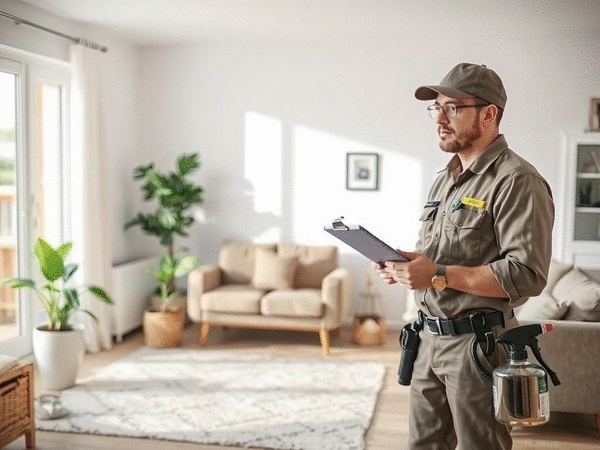
Have you ever wondered how often you should schedule pest control to keep your home safe and comfortable? Understanding the frequency of pest control treatments is essential for maintaining a pest-free environment. Let’s explore the key lessons that will empower you to take proactive measures in pest management.
What You Will Learn
- Regular pest control helps with early detection of infestations before they escalate.
- Scheduled treatments can prevent structural damage caused by pests like termites.
- Health risks associated with pests, such as diseases from rodents and allergens from cockroaches, highlight the importance of pest control.
- Quarterly treatments provide a solid foundation for pest management, while monthly services may be necessary in high-risk areas.
- Factors like seasonal changes, type of pests, and geographic location should influence your pest control schedule.
Pest Control Frequency: Understanding Your Needs
Understanding the factors influencing pest control frequency can help you maintain a pest-free home. Below is a comparison of common schedules and the factors that necessitate them.
Optimal Pest Control Frequencies
Quarterly Treatments
A standard approach for maintaining a pest-free environment. Ideal for preventing seasonal pests and early detection.
Monthly Treatments
Recommended for homes with persistent pest issues, high infestation risk, or specific pest types requiring more frequent attention.
Factors Influencing Service Frequency
Geographic Location
Areas prone to specific pests may require more tailored plans.
Home Environment
Gardens or nearby trees can attract more pests, increasing frequency needs.
Previous Infestations
A history of pest problems often necessitates more frequent treatments.
Health Risks Associated with Pests
Rodents
Transmit diseases like hantavirus and leptospirosis.
Cockroaches
Known allergens, can trigger asthma attacks.
Ticks & Mosquitoes
Carry diseases like Lyme disease and West Nile virus.
Understanding Pest Control Frequency: Why It Matters
When it comes to keeping your home comfortable and safe, understanding pest control frequency is key. Many homeowners often overlook how regularly they should be scheduling pest control services, believing that a one-time treatment is enough. However, pests can return quickly if we don't stay proactive about our prevention efforts! That’s why I want to share some insights on why regular pest control is vital for your home.
The Importance of Regular Pest Control for Your Home
Regular pest control is not just about eliminating pests; it’s about maintaining a healthy living environment. Think of it as a preventive measure that protects your family and your property from potential damage. Here are some reasons why regular treatments are essential:
- Early detection of infestations - Frequent treatments help catch pest problems before they escalate.
- Prevent structural damage - Many pests, like termites, can cause severe damage to your home. Regular inspections reduce this risk.
- Peace of mind - Knowing that your home is pest-free allows you to relax and enjoy your space!
At Pest Control Nationwide, we emphasize the importance of routine check-ups. They help keep your home safe and save you money on costly repairs in the long run.
What Do Homeowners Need to Know About Pest Control Schedules?
Having an effective pest control schedule means understanding the specific needs of your home and lifestyle. So, what do you need to know?
- Seasonal changes can increase pest activity; scheduling treatments during these times is crucial.
- Type of pest plays a significant role; some pests require more frequent treatments than others.
- Your location can influence pest behavior; areas prone to specific infestations may need tailored plans.
By being aware of these factors, you can optimize your pest control schedule for maximum effectiveness. Our certified professionals at Pest Control Nationwide can assist in tailoring a plan that fits your unique needs!
Health Risks Associated with Pest Infestations: What Homeowners Should Consider
It’s crucial to understand that pests aren’t just a nuisance; they can pose significant health risks. Many pests carry diseases that can affect you and your family. Here are a few health risks linked to common pests:
- Rodents can transmit diseases like hantavirus and leptospirosis.
- Cockroaches are known allergens and can trigger asthma attacks.
- Ticks and mosquitoes can carry Lyme disease and West Nile virus, respectively.
Recognizing these risks serves as a reminder of why pest control should be a priority for every homeowner. At Pest Control Nationwide, we take these concerns seriously and implement effective, eco-friendly solutions to keep your home safe.
Pro Tip
To maximize the effectiveness of your pest control efforts, consider integrating preventative measures into your routine. Simple actions like sealing cracks and gaps, maintaining a clean kitchen, and managing your landscaping can significantly reduce pest entry points and attractants. Regularly inspecting your home and scheduling timely treatments will help keep those pesky invaders at bay!
Optimal Pest Control Frequency: How Often Should You Call?
When it comes to pest control, frequency really does matter! As a pest control specialist with over a decade of experience, I've seen how a well-timed pest management plan can make all the difference. The right schedule not only protects your home from unwanted visitors but also saves you money in the long run. Let’s dive into what you need to know about optimal pest control frequency.
Quarterly Pest Control Treatments: A Standard Approach
For many homeowners, quarterly pest control treatments serve as a solid foundation for maintaining a pest-free environment. This schedule allows for regular inspections and treatments, which can effectively address seasonal pests before they become a problem. Here’s why this approach works:
- Regular monitoring helps catch infestations early.
- Quarterly visits allow adjustments based on seasonal pest activity.
- Creates a preventative barrier against common pests.
By sticking to a quarterly schedule, you’re not just reacting to problems; you’re proactively managing your home’s pest potential!
Monthly vs. Quarterly: Which Schedule is Right for You?
While quarterly treatments are often sufficient, some homeowners might benefit from monthly services. This can depend on a few factors, including the type of pests in your area and the condition of your home. Here’s a quick comparison:
- Monthly Treatments: Ideal for homes with persistent pest issues or high infestation risk.
- Quarterly Treatments: Suitable for homes with low to moderate pest activity.
As a property owner, it's essential to evaluate your unique situation. If you notice increased pest activity, it might be time to discuss monthly treatments with your pest control provider.
Factors That Influence Service Frequency: Understanding Your Unique Needs
There are several factors that can influence how often you should schedule pest control services. Here are some key aspects to consider:
- Geographic Location: Some areas are more prone to certain pests.
- Home Environment: Homes with gardens or nearby trees may attract more pests.
- Previous Infestations: A history of pest problems can necessitate more frequent treatments.
By analyzing these factors, you can work with the experts at Pest Control Nationwide to create a tailored plan that meets your needs and keeps those pesky critters at bay!
Frequently Asked Questions (FAQs) About Pest Control Frequency
- 1. How often should I schedule pest control?
- For most homes, quarterly (every three months) pest control treatments are recommended to maintain a pest-free environment and prevent seasonal infestations. However, homes with persistent issues or high-risk locations may benefit from monthly services.
- 2. Why is regular pest control important?
- Regular pest control helps with early detection of infestations, prevents structural damage caused by pests like termites, and mitigates health risks associated with pests (e.g., diseases from rodents, allergens from cockroaches). It also provides peace of mind.
- 3. What factors influence how often I need pest control?
- Several factors influence service frequency, including your geographic location (some areas are more prone to certain pests), your home environment (e.g., gardens, nearby trees), and any history of previous infestations. Seasonal changes and the specific type of pest also play a role.
- 4. What are the health risks associated with common pests?
- Pests can pose significant health risks. Rodents can transmit diseases like hantavirus, cockroaches are known allergens that can trigger asthma, and ticks and mosquitoes can carry diseases such as Lyme disease and West Nile virus.
- 5. What is the difference between monthly and quarterly pest control?
- Quarterly treatments are a standard approach suitable for homes with low to moderate pest activity, focusing on prevention and early detection. Monthly treatments are recommended for homes with persistent pest issues, high infestation risk, or specific pests that require more frequent attention to control effectively.
Recap of Key Points
Here is a quick recap of the important points discussed in the article:
- Regular pest control is essential for early detection of infestations and prevention of structural damage.
- Homeowners should consider seasonal changes, type of pests, and location when scheduling pest control services.
- Health risks from pests, such as rodents and cockroaches, make pest control a priority for maintaining a safe home.
- Quarterly treatments are standard, but monthly services may be necessary for homes with persistent pest issues.
- Factors such as geographic location and previous infestations can influence the frequency of pest control services.