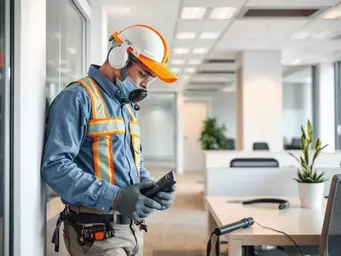

Did you know that the costs of pest control services can vary significantly based on multiple factors? Understanding these nuances can save your business money and ensure you're getting the best service possible. Here's what you can learn about commercial pest control pricing!
What You Will Learn
- Facility size and type greatly influence pest control costs, with larger spaces needing more resources.
- Geographical location can cause pricing disparities, as urban areas often face higher rates than rural settings.
- The frequency of services, whether subscription or one-time, impacts overall costs and savings.
- Different industries, like restaurants and healthcare, present unique challenges, affecting pricing structures.
- Utilizing interactive pricing calculators can streamline budgeting by providing tailored quotes based on specific needs.
- Understanding contracts and warranty periods is crucial for getting the best value in pest control services.
Key Factors Influencing Commercial Pest Control Costs
Commercial pest control pricing is determined by several critical factors, including the facility's characteristics, geographical location, and the desired frequency of services. Understanding these elements is essential for effective budget planning.
Facility Size & Type
Larger spaces and specialized facilities (e.g., food processing plants) require more resources and tailored strategies, directly increasing costs due to complexity and regulatory compliance.
Geographical Location
Urban areas typically have higher service costs due to increased demand and operational expenses, while rural areas may face unique pest challenges requiring specialized treatments.
Service Frequency
Subscription models often offer cost savings for regular scheduled treatments, whereas one-time services are typically more expensive per visit but suitable for low-risk scenarios.
Industry-Specific Needs
Industries like restaurants and healthcare face stricter regulations and unique pest challenges, leading to more frequent and specialized treatments, thus increasing overall costs.
Understanding Commercial Pest Control Pricing: An Overview
When it comes to managing pests in a commercial space, understanding the pricing factors can feel overwhelming. As a pest control specialist with over a decade of experience, I’ve seen firsthand how the costs can vary significantly based on various factors. Let’s dive into what influences these prices and how you can make informed decisions for your business!
Commercial pest control is not a one-size-fits-all service. Factors like the size of your facility, your geographical location, and how often you need services play crucial roles in determining your pest management costs.
What Influences Commercial Pest Control Prices?
Understanding the elements that affect pest control pricing is essential for planning your budget. Here are the primary components to consider:
- Facility Size and Type
- Geographical Location
- Frequency of Services
Facility Size and Type: The Core Cost Determinants
The size and type of your facility are among the most significant cost factors. Larger spaces generally require more time and resources for effective pest control. For instance, an industrial warehouse may demand different strategies compared to a small office or restaurant. Additionally, facilities housing sensitive areas, like food processing plants, might incur higher costs due to stricter compliance regulations.

Moreover, each facility type presents unique challenges, which can affect the choice of treatments used. Understanding these differences can help you budget effectively!
Geographical Location: How Area Impacts Costs
Your location can create stark contrasts in pricing. Urban areas might experience higher service costs due to increased demand and living expenses, whereas rural areas could offer lower pricing—though they may face unique pest challenges due to the surrounding environment. It’s important to factor in these regional variances when considering your pest control options.
For example, if your business is located near a wetland, you might encounter different pests and the need for specialized treatments, which can add to your costs.
Frequency of Services: Subscription vs. One-Time Treatments
The frequency of pest control services also influences pricing. Most businesses can choose between subscription models, which provide regular, scheduled treatments, and one-time services for specific issues. Subscription services often offer cost savings over time, while one-time treatments can be more expensive per visit but may suffice for businesses with low pest risk.
Understanding the needs of your facility will help you make the best choice. Consider how often pests have been a problem in the past. This can guide you in selecting a service frequency that aligns with your budget and pest management goals.
Detailed Pricing Tiers for Commercial Pest Control
Next, let’s break down the common pricing tiers for commercial pest control services:
- Starter Packages: Basic services for small businesses.
- Professional Packages: Comprehensive options for medium-sized companies.
- Enterprise Solutions: Tailored services for large facilities.
Starter Packages: When Are They Suitable?
Starter packages are generally aimed at small businesses or those with minimal pest issues. These packages often include essential services, like initial inspections and basic treatments, making them perfect for businesses just starting with pest management. For example, if you're opening a new café, a starter package can help you set the foundation for a pest-free environment.
Going for a starter package can also be a great way to gauge your pest control provider's effectiveness before committing to more extensive services!
Professional Packages: Assessing Value for Medium Businesses
For medium-sized businesses, professional packages offer a balance of comprehensive services without breaking the bank. These packages often include regular inspections, effective treatments, and ongoing monitoring to ensure pests stay away. This is ideal for businesses that face recurring pest issues or operate in high-risk environments.
Investing in a professional package can enhance your peace of mind and save money in the long run!
Enterprise Solutions: Ideal for Large Facilities
Enterprise solutions are designed for large facilities that require customized pest control strategies. These packages typically include advanced monitoring systems, comprehensive treatment plans, and dedicated support from licensed professionals. This tailored approach ensures that even the most complex pest issues are addressed effectively, protecting your assets and reputation.
Choosing an enterprise solution can be a smart move for businesses that understand the importance of proactive pest management!
Cost Factors Specific to Different Industries
Different industries face unique pest control challenges that directly influence pricing. Here’s a closer look:
- Pest Control Pricing for Restaurants vs. Offices
- Sector-Specific Challenges and Compliance Costs
Pest Control Pricing for Restaurants vs. Offices
Restaurants often have different pest control needs compared to offices, primarily due to food handling and storage. They require frequent inspections and preventative measures to comply with health regulations, which can increase prices. On the other hand, offices may not need as intensive services, leading to lower overall costs.
Understanding these differences can help businesses allocate their pest control budgets more effectively and ensure compliance with industry regulations!
Sector-Specific Challenges and Compliance Costs
Some industries, such as healthcare and food service, deal with strict compliance requirements that can elevate service costs. For instance, healthcare facilities must adhere to stringent hygiene standards, which often necessitates specialized treatments and more frequent visits. Being aware of these sector-specific challenges can help you prepare for the associated costs.
Incorporating eco-friendly practices can also influence both compliance and pricing, so it's worth discussing with your pest control provider!
Understanding Pest Control Services and Treatment Plans
Gaining clarity on the various services and treatment plans available can significantly impact your budget and effectiveness of pest management. Here’s what you should know:
- Overview of Common Treatment Plans for Businesses
- The Role of Licensed Exterminators in Pest Management
Overview of Common Treatment Plans for Businesses
Common treatment plans often include a mix of preventive measures and reactive treatments. Depending on your pest issues, treatments can range from baiting and trapping to chemical applications. A well-rounded approach typically provides the best long-term results!
Regular inspections and monitoring are also critical components of effective pest management, ensuring that potential infestations are addressed before they become major issues.
The Role of Licensed Exterminators in Pest Management
Hiring licensed exterminators is paramount in achieving effective pest control. These professionals bring expertise in identifying pest species, understanding their behaviors, and implementing safe, effective treatments. Engaging a licensed provider not only ensures compliance with regulations but also enhances the effectiveness of your pest management strategy!

Working with experienced professionals like those at Pest Control Nationwide means you can focus on running your business while we handle pest control!
Eco-friendly Pest Control Options: Balancing Costs with Sustainability
As the demand for sustainable practices grows, so too does the availability of eco-friendly pest control options. Businesses are increasingly considering these solutions, and here’s why:
- Benefits of Non-toxic Solutions in Commercial Settings
- Integrated Pest Management (IPM) as a Cost-Effective Strategy
Benefits of Non-toxic Solutions in Commercial Settings
Non-toxic pest control solutions not only safeguard the environment but also protect your employees and customers. Many businesses are discovering that these methods can be effective while maintaining a commitment to health and safety. For instance, using natural repellents can keep pests at bay without exposing your staff to harmful chemicals.
By choosing eco-friendly options, you can enhance your business's reputation as a responsible operator, which can be a great marketing advantage!
Integrated Pest Management (IPM) as a Cost-Effective Strategy
Integrated Pest Management (IPM) is a comprehensive approach to pest control that emphasizes prevention and minimal chemical use. By employing a combination of methods—like habitat modification, sanitation, and biological controls—IPM can be a sustainable and cost-effective strategy for many businesses.
Implementing IPM can lead to significant savings over time by reducing the need for frequent chemical treatments while ensuring your facility remains pest-free!
We Want to Hear From You!
What do you think about the importance of understanding pest control pricing before making a decision? Share your thoughts below:
Calculating Your Pest Control Budget: Key Takeaways
When it comes to budgeting for pest control services, having the right information is essential. Understanding how to calculate your pest control budget can save you money and ensure you get the best service for your needs. At Pest Control Nationwide, we believe that transparency is key. We’re here to help you navigate through the costs and find a plan that fits your unique situation!
To get started, it's helpful to explore some essential tools that can aid in customizing your pest control quotes. Let's dive into a few of these resources that can make the pricing process clearer and more manageable.
Essential Tools for Customizing Your Pest Control Quotes
Tools for estimating costs can make a big difference when planning your pest control budget. Here are some essential resources to consider:
- Interactive Pricing Calculators: These online tools allow you to input details about your facility and get tailored quotes.
- Visual Aids and Charts: Clear visuals can help break down complex pricing structures into digestible information.
- Quote Comparisons: Comparing multiple quotes can reveal the best options available based on your specific needs.
With these tools, you can make informed decisions about which pest control solutions will work best for your business. Remember, understanding the costs upfront helps you avoid surprises later!
Interactive Pricing Calculators: How They Work
Interactive pricing calculators are invaluable for tailoring pest control services to your specific requirements. By inputting information such as your location, facility size, and type of pests you're dealing with, you'll receive a more accurate estimate. This feature allows you to budget effectively and ensures you’re not paying for services you don’t need.
For example, if you run a restaurant, the calculator will factor in the unique challenges you face compared to an office space. This tailored approach helps you plan your finances without any guesswork.
Visual Aids and Charts: Making Sense of Complex Pricing
Visual aids, like charts and graphs, can simplify the complexity of pest control pricing. They present data in a way that's easy to understand, allowing you to compare different service packages at a glance. A well-designed chart can highlight key pricing tiers and help you visualize potential savings over time.
Utilizing these resources not only helps you understand the costs better but also equips you to communicate effectively with pest control providers. So when you reach out to Pest Control Nationwide, you’ll be ready to discuss your options confidently!
Frequently Asked Questions (FAQs)
What are the main factors influencing commercial pest control costs?
The main factors influencing commercial pest control costs include the facility's size and type, geographical location, and the frequency of services (e.g., subscription vs. one-time treatments).
Why do urban areas have higher pest control costs?
Urban areas typically have higher service costs due to increased demand, higher operational expenses for pest control companies, and sometimes more complex pest challenges prevalent in dense environments.
Are subscription pest control services more cost-effective than one-time treatments?
Yes, subscription models often offer cost savings over time for regular, scheduled treatments. One-time services are generally more expensive per visit but may be suitable for businesses with low pest risk or isolated issues.
How do industry-specific needs affect pest control pricing?
Different industries, such as restaurants and healthcare, face unique pest challenges and stricter regulatory compliance. This often necessitates more frequent and specialized treatments, which can increase overall costs compared to less sensitive environments like offices.
What is Integrated Pest Management (IPM) and how does it affect costs?
Integrated Pest Management (IPM) is a comprehensive approach that emphasizes prevention and minimal chemical use. By combining methods like habitat modification and sanitation, IPM can be a sustainable and cost-effective strategy that leads to long-term savings by reducing the need for frequent chemical treatments.
What should I look for in a pest control service agreement?
When reviewing service agreements, look for clear descriptions of services and their frequencies, transparent cost structures (including potential extra charges), termination clauses, and performance guarantees to ensure effective pest control.
Understanding Pest Control Contracts and Warranty Periods
Understanding contracts is just as crucial as knowing the prices. Contracts outline what services you’ll receive and what to expect regarding warranty periods. Let's break down what you should be on the lookout for!
Key Elements to Look for in Service Agreements
When reviewing pest control contracts, it’s essential to pay attention to key elements to ensure you’re getting the best deal possible. Here’s what to look for:
- Service Details: Clear descriptions of the services provided and their frequencies.
- Cost Structure: Transparency regarding fees, including any potential extra charges.
- Termination Clauses: Understanding how you can end the agreement if needed.
- Performance Guarantees: Assurance that the pest control measures will be effective.
By examining these elements, you can ensure that you’re entering an agreement that meets your needs while avoiding hidden pitfalls.
Importance of Warranty Periods in Commercial Pest Control
Warranty periods play a crucial role in your pest control budget. A solid warranty period can offer peace of mind and protect your investment. It ensures that if pests return within a specified timeframe, you’ll receive follow-up services at little to no additional cost.
When reviewing warranty options, consider how long the coverage lasts and what actions are included. Knowing that you’re protected means you can focus on your business without worrying about pest problems sneaking back in!
Conclusion: Making Informed Decisions for Pest Control Services
Making informed decisions about pest control services is vital for protecting your business. Understanding your specific needs and budget allows you to select the best plan. At Pest Control Nationwide, we’re here to help you tailor a strategy that works for you, ensuring your space remains pest-free!
Understanding Your Needs: A Customized Approach
Every business has unique pest control needs. Assessing your environment and understanding any specific challenges will help us craft a customized approach. We pride ourselves on offering flexible plans that cater to your requirements while keeping costs in check.
Next Steps: Engaging with Pest Control Providers
Ready to take the next step? Engaging with pest control providers like us at Pest Control Nationwide is easy! Don’t hesitate to reach out for a consultation. We’ll walk you through the options, answer any questions, and help you secure a pest control plan that fits your budget.
Recap of Key Points
Here is a quick recap of the important points discussed in the article:
- Facility Size and Type: Larger facilities typically incur higher pest control costs, with unique challenges per facility type.
- Geographical Location: Urban areas often face higher prices due to demand, while rural areas may have lower costs but unique pest challenges.
- Frequency of Services: Subscription models can offer cost savings over time compared to one-time treatments.
- Pricing Tiers: Starter, professional, and enterprise packages cater to different business sizes and needs.
- Sector-Specific Challenges: Industries like food service and healthcare have unique compliance costs that can affect pricing.
- Eco-friendly Options: Non-toxic solutions and Integrated Pest Management (IPM) can be effective and sustainable choices.
- Understanding Contracts: Key elements in service agreements include service details, cost structure, and warranty periods.