Have you thought about the hidden dangers lurking in your commercial property? Termites can wreak havoc, causing extensive damage before you even realize they’re there. By understanding the risks and taking proactive measures, you can safeguard your investment and ensure your space remains secure.
What You Will Learn
- Recognizing the importance of termite awareness can prevent financial losses and structural damage.
- Key risk factors include cluttered areas, leaks, and poor ventilation that attract termites.
- Understanding termite lifecycle stages aids in developing timely prevention and management strategies.
- Identifying signs of termite damage early can save significant repair costs and protect property value.
- Long-term monitoring technologies provide proactive insights to prevent infestations before they escalate.
- Clear responsibilities for pest management between property owners and tenants are crucial for maintaining a pest-free environment.
Understanding Termite Risks: Key Factors & Financial Impact
Termites can pose significant threats to commercial properties. This visual highlights key risk factors for infestations and the substantial financial impact they can have if left unaddressed.
Key Risk Factors for Termite Infestations
- Cluttered Storage Areas: Provide shelter & access.
- Poorly Sealed Foundations: Easy entry points for pests.
- Moisture Retention/Leaks: Attract termites & create ideal breeding grounds.
- Poor Ventilation: Fosters damp conditions.
Financial Impact of Termite Damage (U.S.)
$5 Billion+
in annual damage nationwide. Costly repairs and potential business loss for commercial properties.
Understanding Termite Risks in Commercial Properties
As a property owner or manager, understanding the risks posed by termites is crucial. These pests can cause significant structural damage if left unchecked, resulting in costly repairs and potential safety hazards. With my experience in pest control at Pest Control Nationwide, I've seen firsthand how awareness can make a difference in protecting your investment!
Many commercial properties are at a higher risk due to their size and the nature of their operations. By staying informed about termite behavior and preventative measures, you can take proactive steps to safeguard your space.
Recognizing the Importance of Termite Awareness
When it comes to pests, termites are often the silent invaders. It’s essential for property managers to recognize the importance of termite awareness. Ignoring the potential for an infestation can lead to devastating financial impacts and even jeopardize the integrity of your building. By understanding these risks, you can be better prepared to act swiftly should the need arise.
- Regular training for staff on identifying signs of infestations
- Keeping an updated pest management plan on hand
- Establishing a routine for inspections and maintenance
Each of these steps contributes to a comprehensive strategy that protects your property from the unseen threats of termites.
Identifying Key Risk Factors for Termite Infestations
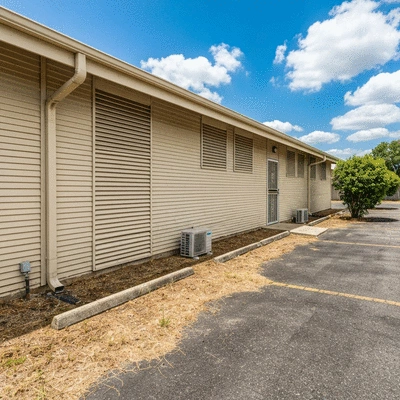
Several factors can increase the likelihood of termite infestations in commercial spaces. Large areas often provide ample opportunities for these pests to thrive, especially if they are cluttered. Additionally, leaks and poor ventilation can create inviting environments that attract termites and allow infestations to go unnoticed.
- Cluttered storage areas that provide shelter
- Poorly sealed foundations or gaps in walls
- Moisture retention from leaks or inadequate drainage
By addressing these risk factors, property owners can significantly reduce the chances of termite invasions.
The Lifecycle of Termites and Its Impact on Risk Assessment
Understanding the lifecycle of termites is key in assessing infestations. Termites undergo several stages: from eggs to nymphs to adults. Each stage poses a different risk level, influencing how we approach prevention and management strategies.
- Eggs: Laid in sheltered areas, leading to new colonies
- Nymphs: Developing into workers or soldiers, which can quickly increase population size
- Adults: Reproducing and expanding the colony
Being knowledgeable about these stages allows property owners to implement timely interventions to manage and prevent infestations before they escalate.
Signs of Termite Damage in Commercial Spaces
Identifying signs of termite damage early is crucial to protecting your property. Look out for indicators that can help detect infestations or damage.
Common Indicators of Infestation
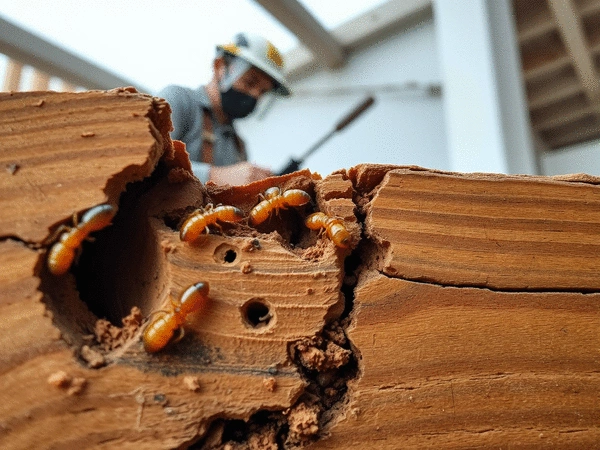
Common signs of termite infestations include mud tubes, frass (termite droppings), and hollow-sounding wood. Spotting these signs early can prevent a minor issue from turning into a major catastrophe!
- Mud tubes along walls or foundations
- Frass found near wooden structures
- Visible damage on wooden beams or floors
Regular inspections can help catch these signs before they lead to more significant damage.
The Financial Impact of Termite Damage
Termites cause over $5 billion in damage annually in the U.S. alone. For commercial property owners, this can translate into massive repair costs and loss of business. It's a sobering reality that emphasizes why preventative measures are so important.
Understanding this financial impact can motivate property owners to take action and invest in regular inspections and treatments.
Evaluating Wood Damage and Its Implications for Property Value
Wood damage from termites can severely affect the real estate value of your commercial property. Potential buyers or lessees may be deterred by evidence of termite damage, leading to reduced offers or prolonged vacancy times.
Addressing wood damage promptly not only protects your investment but can also enhance the overall appeal of your property.
Interactive Poll: Your Experience with Termites
Have you ever encountered termite issues in a commercial property? We’d love to hear about your experience! Please share your thoughts below:
Frequently Asked Questions About Termite Control
What are the main risk factors for termite infestations in commercial properties?
How much damage do termites cause annually in the U.S.?
What are the common signs of a termite infestation?
How can long-term monitoring technology help prevent termite infestations?
What are the responsibilities of property owners and tenants in managing termite risks?
Assessing Long-Term Solutions and Monitoring
The Advantages of Long-Term Monitoring Technology
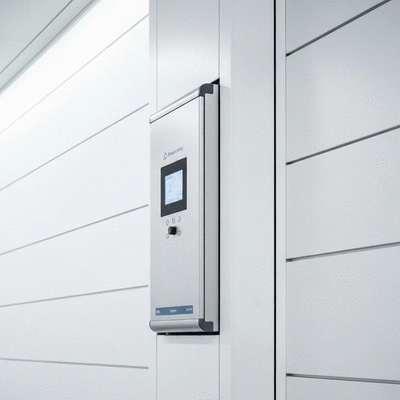
In today’s world, staying ahead of termite infestations is crucial for property owners. Long-term monitoring technology offers a proactive approach, allowing you to keep tabs on potential risks constantly. With innovations such as moisture sensors and remote monitoring systems, it's easier than ever to identify conditions that attract termites before they become a larger issue.
These technologies provide real-time data, which can help in making timely decisions regarding pest management. By investing in monitoring systems, you're not just reacting to infestations but actively preventing them. It's like having a watchful guardian over your property!
- Real-time alerts for moisture levels
- Remote access to monitoring data
- Enhanced awareness of environmental conditions
- Data-driven insights for better decision-making
Utilizing these technologies can significantly enhance your ability to manage termite risks effectively. It’s all about being proactive rather than reactive!
Understanding Tenant Liability and Responsibilities
When it comes to termite management, clarifying roles between property owners and tenants is essential. Both parties play a part in ensuring a pest-free environment. Owners must keep the property well-maintained, while tenants should report any signs of pest activity immediately. This partnership is crucial for effective pest control.
Here’s a breakdown of typical responsibilities:
- Property Owners: Conduct regular inspections and maintenance, implement preventative measures, and address tenant concerns promptly.
- Tenants: Report any signs of infestation, keep the property clean, and avoid activities that could attract pests, like leaving food out.
By understanding these responsibilities, both parties can work together to mitigate the risks associated with termite infestations, ensuring the property remains safe and sound.
Final Thoughts on Termite Risk Management
Making Proactive Choices for Your Commercial Property
As a property owner, it's essential to take proactive steps to protect your investment. Keeping informed about termite risks and implementing effective pest management strategies can save you time, money, and stress in the long run. Remember, the earlier you act, the less severe the problem will be!
At Pest Control Nationwide, we believe in empowering our clients with knowledge and resources. Our approach emphasizes prevention and timely interventions to safeguard your commercial property from termites.
Call to Action for Property Owners
Don’t wait until it’s too late! If you suspect termite activity or want to enhance your property’s defenses, I invite you to schedule a professional inspection with us. Our certified team is here to assess your property’s termite risks and implement tailored solutions. Protect your investment today and enjoy peace of mind tomorrow!
Recap of Key Points
Here is a quick recap of the important points discussed in the article:
- Understanding termite risks is essential for property owners to prevent costly damage.
- Regular staff training and updated pest management plans help in recognizing early signs of infestations.
- Key risk factors include cluttered areas, poor ventilation, and moisture retention.
- Being aware of the termite lifecycle aids in timely prevention and management strategies.
- Identifying signs of infestation, such as mud tubes and frass, is crucial for early intervention.
- Investing in long-term monitoring technology enhances proactive measures against termite risks.
- Clear communication of responsibilities between property owners and tenants is vital for effective pest control.