What if the solution to your pest problem lies not in harsh chemicals, but in nature itself? Discovering eco-friendly pest control methods can transform not only your home but also your approach to sustainable living.
What You Will Learn
- Eco-friendly pest control emphasizes natural methods that are safe for families and the environment.
- Utilizing biological control, cultural practices, and organic products can effectively manage pests with minimal chemical exposure.
- Health benefits include reduced chemical exposure and improved indoor air quality, creating a safer home environment.
- Choosing eco-friendly solutions can lead to long-term cost savings by preventing infestations and reducing the need for chemical treatments.
Eco-Friendly vs. Traditional Pest Control: A Comparative Overview
This visual highlights the key differences and benefits of eco-friendly pest control methods compared to traditional approaches, focusing on their respective impacts and advantages.
Core Approach & Focus
Eco-Friendly
Prioritizes prevention, natural methods, and long-term sustainability. Uses biological, cultural, mechanical, and organic products.
Traditional
Often reactive, relying on synthetic chemical pesticides for quick fixes, with potential long-term consequences.
Health & Safety
Eco-Friendly:
Reduced chemical exposure, safer for humans, pets, and indoor air quality. Uses natural ingredients like neem oil, pyrethrin, essential oils.
Traditional:
Can pose health risks due to lingering toxic substances; potential harm to beneficial insects and pollinators.
Environmental Impact & Cost
Eco-Friendly:
Protects local ecosystems and biodiversity. Long-term cost savings due to fewer recurring treatments and preventative focus.
Traditional:
Detrimental effects on ecosystems; potential for short-term fixes that may require frequent, costly re-applications.
The Role of Eco-Friendly Pest Control in Modern Homes
As a pest control specialist with over a decade of experience, I’ve seen the landscape of pest management evolve significantly. At Pest Control Nationwide, we understand that homeowners are increasingly concerned about the safety and environmental impact of the products they use. This shift has brought eco-friendly pest control methods to the forefront, making them a vital consideration for modern homes.
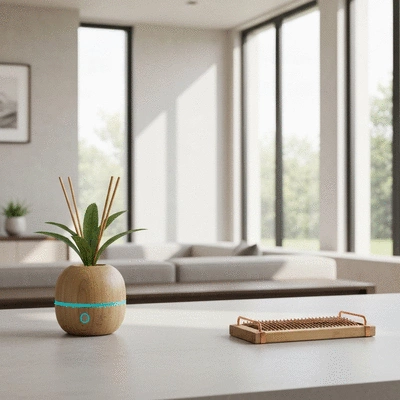
But what exactly does eco-friendly pest control entail? It's about using natural and sustainable methods that are safe for both your family and the planet. By prioritizing these practices, we can effectively manage pests while reducing our reliance on harmful chemicals.
Understanding Eco-Friendly Pest Control Methods
Eco-friendly pest control methods focus on using less harmful substances and more natural approaches to manage pest populations. Traditional pest control often relies heavily on synthetic chemicals, which can pose risks to human health and the environment. In contrast, eco-friendly solutions aim to minimize these risks through safer alternatives.
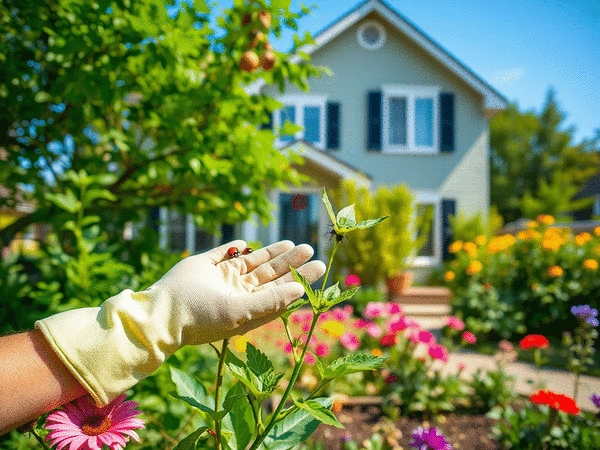
- Biological Control: Utilizing natural predators to manage pest populations.
- Cultural Practices: Adjusting your gardening techniques to prevent pest infestations.
- Mechanical Methods: Using traps and barriers to keep pests at bay.
- Organic Products: Applying non-toxic treatments derived from natural sources.
By adopting these methods, homeowners can create a safer living environment while still effectively managing pest issues. It's a win-win for your home and the ecosystem!
What are Eco-Friendly Pest Control Solutions?
At its core, eco-friendly pest control solutions emphasize the use of natural and organic products that effectively manage pests without the harsh side effects associated with traditional chemicals. This includes options like botanical insecticides, which are derived from plants, and organic repellents that deter pests without endangering your health.
For instance, using products that contain neem oil or pyrethrin can provide effective pest control while being safe for your home and garden. These alternatives not only reduce chemical exposure but also promote a healthier living space for your family.
How Do Eco-Friendly Techniques Differ from Traditional Methods?
One key difference between eco-friendly and traditional pest control methods lies in their approach. Traditional methods may offer quick fixes but often come with long-term consequences, such as environmental damage and harm to beneficial insects. In contrast, eco-friendly techniques focus on sustainable practices that not only manage existing pest populations but also prevent future outbreaks.
- Focus on Prevention: Eco-friendly methods prioritize preventative measures, reducing the need for reactive treatments.
- Safer Ingredients: They utilize natural ingredients that are less harmful to humans and pets.
- Long-Term Solutions: These methods aim for lasting pest management rather than just temporary relief.
By understanding these differences, homeowners can make informed decisions that align with their values and health concerns.
Exploring Organic Pest Control Options for the Home
When it comes to organic pest control options, the choices are abundant and effective! You might be surprised at how many natural solutions can help keep your home pest-free. Here are a few popular options:
- Essential Oils: Oils like peppermint and lavender not only smell great but can also deter pests.
- Homemade Sprays: Simple mixtures of vinegar and water can repel ants and spiders.
- Soap Solutions: A mix of water and mild soap can suffocate soft-bodied pests like aphids.
These organic methods are not only effective but also provide peace of mind, knowing you're keeping harmful chemicals out of your home. With the right approach, you can create a safe and welcoming environment for your family.
Benefits of Adopting Eco-Friendly Practices
Making the switch to eco-friendly pest control practices is not just about caring for the environment; it also offers numerous benefits for you and your family. Here’s why embracing these practices can be advantageous:
- Health Benefits: Reduced chemical exposure leads to a safer home environment.
- Environmental Impact: Protecting local ecosystems helps maintain biodiversity.
- Improved Indoor Air Quality: Non-toxic solutions help promote better air quality.
- Long-term Cost Savings: Eco-friendly pest control often proves more effective and sustainable over time.
By considering these benefits, every homeowner can contribute to a healthier future while enjoying a pest-free home.
Health Benefits: Reducing Chemical Exposure in Your Home
One of the most significant advantages of eco-friendly pest control is the reduction of chemical exposure in your living space. Many traditional pest control methods involve toxic substances that can linger in the air and on surfaces, posing health risks to both humans and pets. By choosing safer, organic solutions, you create a healthier home environment.

For instance, opting for organic pesticides means that you won’t have to worry about your children or pets being affected by harmful chemicals. It’s a simple yet effective way to ensure your family’s safety while managing pest issues.
Environmental Impact: Protecting Local Ecosystems
When we think about pest control, it's easy to overlook the broader environmental implications. Traditional pesticides can have detrimental effects on local ecosystems, harming beneficial insects and pollinators. On the other hand, eco-friendly pest control practices help protect these vital species while still managing pest populations effectively.
By choosing methods that support biodiversity, you contribute to a healthier local environment. This proactive approach ensures that pest control efforts maintain harmony with nature rather than disrupt it.
Improving Indoor Air Quality with Non-Toxic Solutions
Indoor air quality is essential for a healthy living environment, and eco-friendly pest control can significantly enhance this aspect. Non-toxic solutions reduce the number of harmful particles and chemicals circulating in your home, leading to cleaner air. Implementing these strategies can create a fresher atmosphere, making your space feel more inviting.
Ultimately, the transition to eco-friendly methods not only addresses pest issues but also contributes to a healthier lifestyle for you and your family!
Long-term Cost Savings: Evaluating Effectiveness and ROI
While some may worry that eco-friendly pest control methods are more expensive upfront, it’s important to consider the long-term savings they offer. Safer products and practices often lead to better pest management, resulting in fewer infestations and lower costs associated with recurring treatments.
- Reduced Need for Chemical Treatments: Fewer applications mean savings on product costs.
- Preventative Measures: Effective methods focus on preventing infestations, reducing the need for emergency interventions.
- Health Cost Savings: A healthier home can lead to fewer health issues, saving on medical expenses.
By evaluating the effectiveness and return on investment of eco-friendly options, homeowners can see that they are not only a responsible choice but also a financially savvy one!
Interactive Poll: Your Eco-Friendly Approach
We want to know your thoughts! How do you prefer to manage pests in your home?
Frequently Asked Questions About Eco-Friendly Pest Control
- What is eco-friendly pest control?
- Eco-friendly pest control uses natural and sustainable methods to manage pest populations, prioritizing the safety of your family, pets, and the environment over harsh chemicals.
- How do eco-friendly methods differ from traditional pest control?
- Eco-friendly methods focus on prevention, use safer, natural ingredients, and aim for long-term sustainable solutions. Traditional methods often rely on synthetic chemicals for quick fixes, which can have long-term environmental and health consequences.
- What are some common eco-friendly pest control techniques?
- Common techniques include biological control (using natural predators), cultural practices (adjusting gardening techniques), mechanical methods (traps and barriers), and organic products (like neem oil, pyrethrin, essential oils, and vinegar sprays).
- What are the benefits of choosing eco-friendly pest control?
- Benefits include reduced chemical exposure, improved indoor air quality, protection of local ecosystems, and long-term cost savings due to fewer recurring treatments and a focus on prevention.
- When should I consider professional eco-friendly pest control services?
- Professional help is recommended for severe infestations, when pests pose significant health risks or structural damage (e.g., termites, rodents), or when you need expert knowledge to identify specific pests and apply the most effective control methods.
Making Informed Decisions for Your Home
Deciding on the best pest control strategy for your home can feel overwhelming, right? With so many options, it’s essential to weigh the pros and cons of DIY methods versus hiring a professional service. At Pest Control Nationwide, we believe in empowering homeowners to make informed choices that align with their values and needs.
In this section, we’ll dive into when it might be best to call in the pros and share some effective DIY techniques that you can implement right away. Let’s get started!
DIY vs. Professional Eco-Friendly Pest Solutions
When to Consider Professional Help
While there are many DIY methods you can try at home, there are times when enlisting a professional service is the smart move. Here are some scenarios where I recommend reaching out for expert assistance:
- Severe Infestations: If you notice a large number of pests invading your space, a professional team can quickly assess and manage the situation.
- Health Risks: Certain pests, like termites or rodents, can pose significant health risks and structural damage. In these cases, professional intervention is crucial.
- Specific Pest Knowledge: Professionals are trained to identify different pests and their behaviors, ensuring the most effective control methods are used.
By recognizing when to seek help, you can save time, effort, and potential harm to your home.
Effective DIY Techniques for Homeowners
If you prefer to take a hands-on approach, there are plenty of effective DIY eco-friendly pest control techniques that you can try. Here are some of my favorites:
- Soap and Water Spray: A simple mixture of soap and water can help eliminate soft-bodied pests like aphids.
- Essential Oils: Utilizing oils like peppermint or tea tree can repel various insects. Just mix a few drops with water and spray around entry points!
- Citrus Peels: Placing citrus peels around your home can deter ants and spiders due to their strong scent.
These DIY methods can make a significant difference without compromising your commitment to eco-friendliness.
Home Remedies for Common Household Pests
Sometimes, the simplest solutions can be the most effective! Here are a few home remedies I’ve found particularly helpful for tackling common pests:
- Boric Acid: A natural insecticide that works wonders on cockroaches and ants. Just sprinkle it in their usual pathways!
- Vinegar: This is a great option for cleaning surfaces. It not only provides a streak-free shine but can also deter pests.
- Garlic Spray: Mixing garlic with water to create a spray can repel a range of insects while being safe for your home!
Utilizing these home remedies allows you to keep your space pest-free while promoting a healthy living environment.
Summarizing the Importance of Eco-Friendly Pest Control Methods
As we wrap up this discussion, it's clear that making informed decisions about pest control is vital for your home. Choosing eco-friendly methods not only protects your family but also contributes positively to the environment. Remember, every small action can lead to significant change.
Key Takeaways: Why Eco-Friendly Should Be Your Choice
Opting for eco-friendly pest control solutions isn’t just a trend; it’s a responsible choice for both your home and the planet. By considering the health benefits, environmental impact, and long-term savings, it's easy to see why sustainable practices are essential.
Encouraging Sustainable Practices in Your Home
Next Steps: Implementing Eco-Friendly Solutions Today
Ready to take action? Start by assessing your home for potential pest problems, and consider implementing some of the DIY methods we discussed. At Pest Control Nationwide, we’re here to help guide you through the process and offer tailored solutions to keep your home pest-free.
Fostering Community Gardening for Pest Control Awareness
One of the best ways to promote eco-friendly practices is through community involvement. Consider joining or starting a community garden! Not only will this provide fresh produce, but it also offers a great opportunity to share knowledge about sustainable pest control methods with your neighbors.
Let’s work together to create a healthier environment for everyone!
Recap of Key Points
Here is a quick recap of the important points discussed in the article:
- Eco-friendly pest control methods utilize natural and sustainable approaches that are safer for families and the environment.
- Key methods include biological control, cultural practices, mechanical methods, and organic products.
- Benefits of adopting eco-friendly practices include improved health, environmental protection, better indoor air quality, and long-term cost savings.
- Homeowners can effectively manage pests with DIY techniques like soap solutions, essential oils, and homemade sprays.
- Recognizing when to seek professional help can be crucial for severe infestations or specific pest issues.